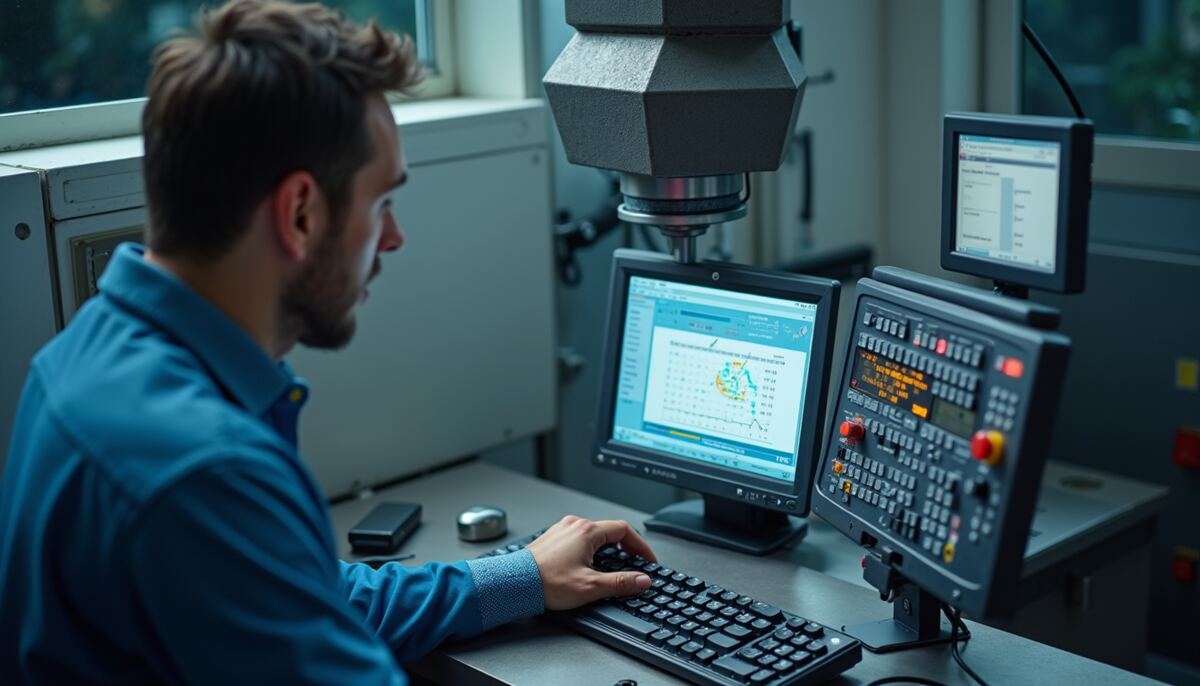
Computer Numerical Control (CNC) machining has revolutionized the manufacturing industry by enabling precise, efficient, and repeatable production of complex metal parts. This technology uses computer-controlled machines to cut, shape, and finish metal components with high accuracy. In this article, we will explore various CNC machining techniques and their industrial applications.
Understanding CNC Machining Techniques
CNC machining involves several techniques that cater to different manufacturing needs. Each technique uses specific tools and processes to achieve desired shapes and finishes. Here are some of the most common CNC machining techniques:
1. Milling
Milling is a subtractive process where rotating cutting tools remove material from a metal workpiece. It is versatile and can create complex shapes, slots, holes, and contours. CNC milling machines operate on multiple axes, typically three to five, allowing for intricate designs.
Example: Aerospace companies use CNC milling to produce lightweight, high-strength components like turbine blades and structural parts.
Recommendation: For precision parts, use a 5-axis CNC milling machine to reduce setup time and improve accuracy.
2. Turning
Turning involves rotating the metal workpiece while a stationary cutting tool shapes it. This technique is ideal for cylindrical parts such as shafts, bolts, and pulleys. CNC lathes automate this process, enabling high-volume production with consistent quality.
Example: Automotive manufacturers rely on CNC turning to produce engine components like crankshafts and camshafts.
Recommendation: Use live tooling on CNC lathes to perform milling and drilling operations without removing the part, saving time.
3. Drilling
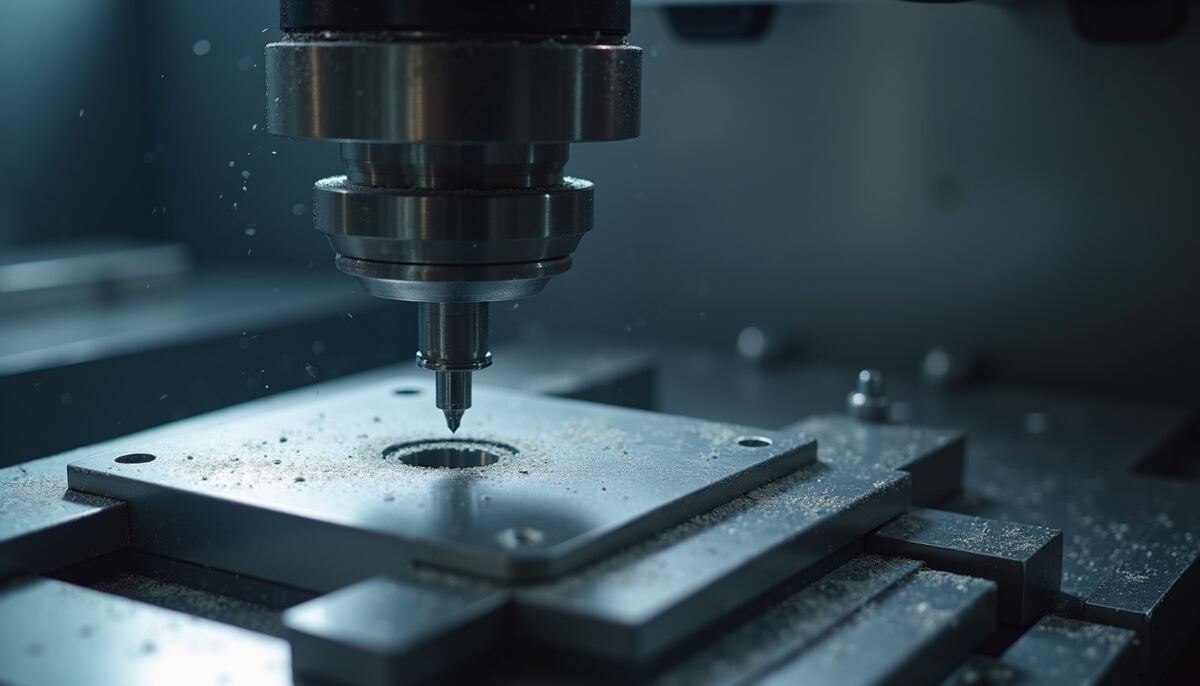
Drilling creates precise holes in metal parts. CNC drilling machines can perform multiple hole patterns with exact spacing and depth. This technique is often combined with milling and turning in multi-functional CNC machines.
Example: Electronics manufacturers use CNC drilling to create mounting holes in metal enclosures.
Recommendation: Use peck drilling cycles to prevent tool breakage and improve hole quality in deep drilling applications.
4. Grinding
Grinding uses an abrasive wheel to finish metal surfaces with high precision. CNC grinding machines are essential for achieving tight tolerances and smooth finishes on hardened metals.
Example: Tool and die makers use CNC grinding to sharpen cutting tools and produce molds.
Recommendation: Select the appropriate grinding wheel material based on the metal type to optimize surface finish and tool life.
5. Electrical Discharge Machining (EDM)
EDM removes metal by electrical sparks, ideal for hard metals and complex shapes that are difficult to machine conventionally. CNC EDM machines are used for intricate cavities and fine details.
Example: Medical device manufacturers use EDM to create precise surgical instruments.
Recommendation: Use EDM for parts requiring tight tolerances and delicate features that cannot withstand mechanical cutting forces.
Industrial Applications of CNC Machining
CNC machining techniques are widely used across various industries due to their precision, repeatability, and efficiency. Below are some key sectors benefiting from CNC machining:
Aerospace Industry
The aerospace sector demands high-precision, lightweight, and durable components. CNC machining produces parts such as engine components, airframe structures, and landing gear with tight tolerances and complex geometries.
Example: Titanium and aluminum alloys are commonly machined for aircraft parts.
Benefit: CNC machining reduces material waste and ensures consistent quality, critical for safety and performance.
Automotive Industry
Automotive manufacturers use CNC machining for engine parts, transmission components, and custom prototypes. The ability to produce complex shapes quickly supports rapid product development and mass production.
Example: CNC turning is used to manufacture pistons and camshafts.
Benefit: CNC machining improves part durability and reduces production time.
Medical Industry
Medical devices require precision and biocompatibility. CNC machining creates surgical instruments, implants, and prosthetics with exact dimensions and smooth finishes.
Example: Stainless steel and titanium implants are machined to fit patient-specific requirements.
Benefit: CNC machining ensures repeatability and compliance with strict regulatory standards.
Electronics Industry
CNC machining produces metal enclosures, heat sinks, and connectors for electronic devices. The process supports small batch production and rapid prototyping.
Example: Aluminum heat sinks are milled to optimize thermal management.
Benefit: CNC machining allows for customization and quick turnaround times.
Energy Sector
The energy industry uses CNC machining for components in turbines, pumps, and valves. High-strength metals and alloys are machined to withstand extreme conditions.
Example: CNC machining produces parts for wind turbines and oil drilling equipment.
Benefit: CNC machining enhances reliability and performance in harsh environments.