← All postsJuly 18, 2025 · 4 min read · K+G Industrial Group
Precision Machining: Key to Industrial Excellence
Precision machining is critical to K+G Industrial Group's reputation as a tier-one supplier to some of the largest corporations in the world.
Precision machining is critical to K+G Industrial Group's reputation as a tier-one supplier to some of the largest corporations in the world. It involves the careful removal of material from a workpiece to reach desired specifications. The process relies on specialized machines and meticulous techniques to produce parts with fine tolerances. With growing technological advancements, precision machining services have become more accessible, allowing businesses like K+G Industrial Group that invest heavily in this area to ensure the quality of products in every detail.
Precision Machining Insights
The essence of precision machining lies in its ability to produce parts that fit together seamlessly. High-quality machining eliminates the potential for defects in mechanical assemblies, guaranteeing performance and longevity. Companies that invest in precision machining services can expect improved functionality and reduced maintenance costs for their equipment.
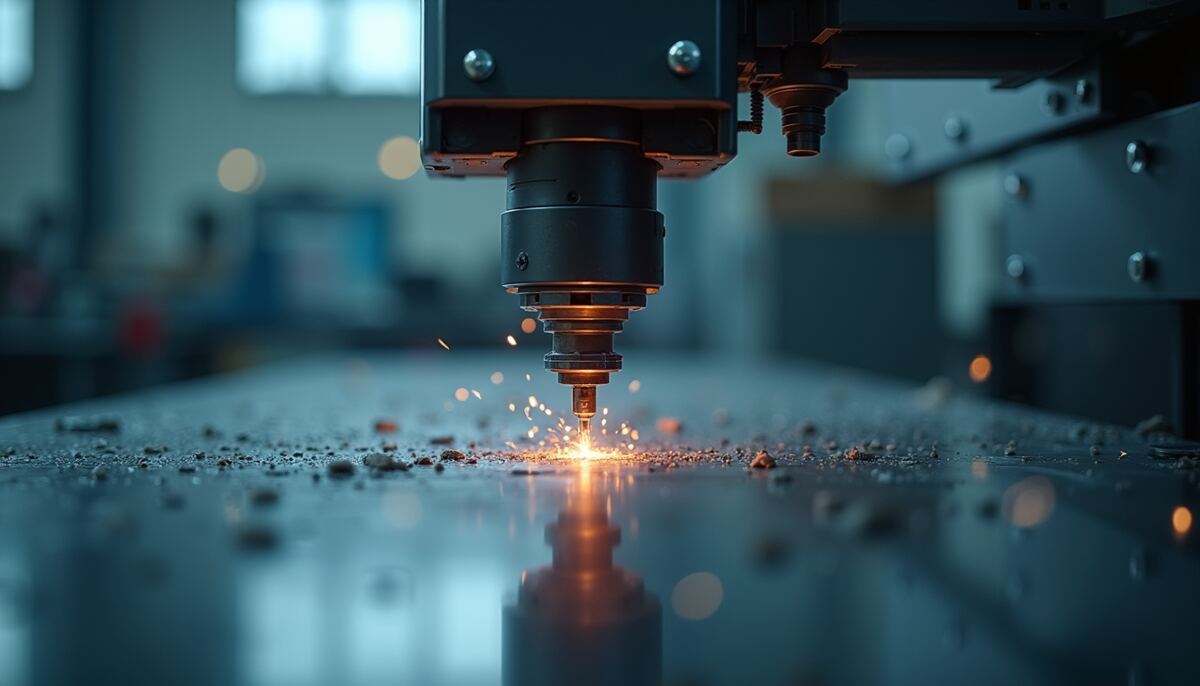
Among the many types of precision machining techniques, CNC (computer numerical control) machining stands out. CNC machines use computer programs to accurately cut, shape, and finish materials. This technique reduces human error and increases repeatability, making it ideal for large-volume production runs. CNC machining can be applied to various materials, including metals, plastics, and composites.
CNC machine performing precision machining
The Role of Quality Control in Precision Machining
Quality control is a crucial component of the precision machining process. It involves regular inspection and testing of both raw materials and finished products to ensure they meet specified standards. Organizations often employ various methods of quality assurance, including statistical process control (SPC) and seven basic quality tools.
Notably, the quality control process in precision machining includes measuring the dimensions of parts with high-precision instruments like calipers, micrometers, and laser measurement systems. This level of oversight is essential, as even minor deviations from specifications can lead to significant failures when parts are assembled.
For example, a study revealed that companies with robust quality control systems experience up to 50% fewer defects. Implementing these practices leads to higher customer satisfaction and repeat business, which ultimately boosts a company’s reputation.
Technician inspecting precision machined parts
Advantages of Precision Machining Services
The advantages of precision machining services are multi-faceted. K+G Industrial Group has achieve improved efficiency, cost-effectiveness, and superior quality through precision-oriented processes. Here are some notable benefits:
High Tolerance Levels: Precision machining allows for tight tolerances, ensuring that parts fit together correctly. For example, aerospace components often require tolerances within the thousandth of an inch to ensure safety and performance.
Reduced Waste: The technique minimizes material wastage, aligning with sustainable manufacturing goals. Using advanced tools, machinists can maximize raw material usage, translating to cost savings and environmental benefits.
Versatility: Precision machining adapts to a wide range of materials, making it suitable for various applications. Whether working with hardened steel or delicate plastics, precision machining offers flexibility in production.
Short Lead Times: With efficient processes and advanced machinery, precision machining can deliver products faster than traditional methods. This capacity to meet tight deadlines can be a decisive factor for clients in competitive markets.
Enhanced Product Performance: Components that undergo precision machining exhibit better performance and durability. High-quality parts are less prone to failure, significantly reducing the risk of costly downtimes for businesses.
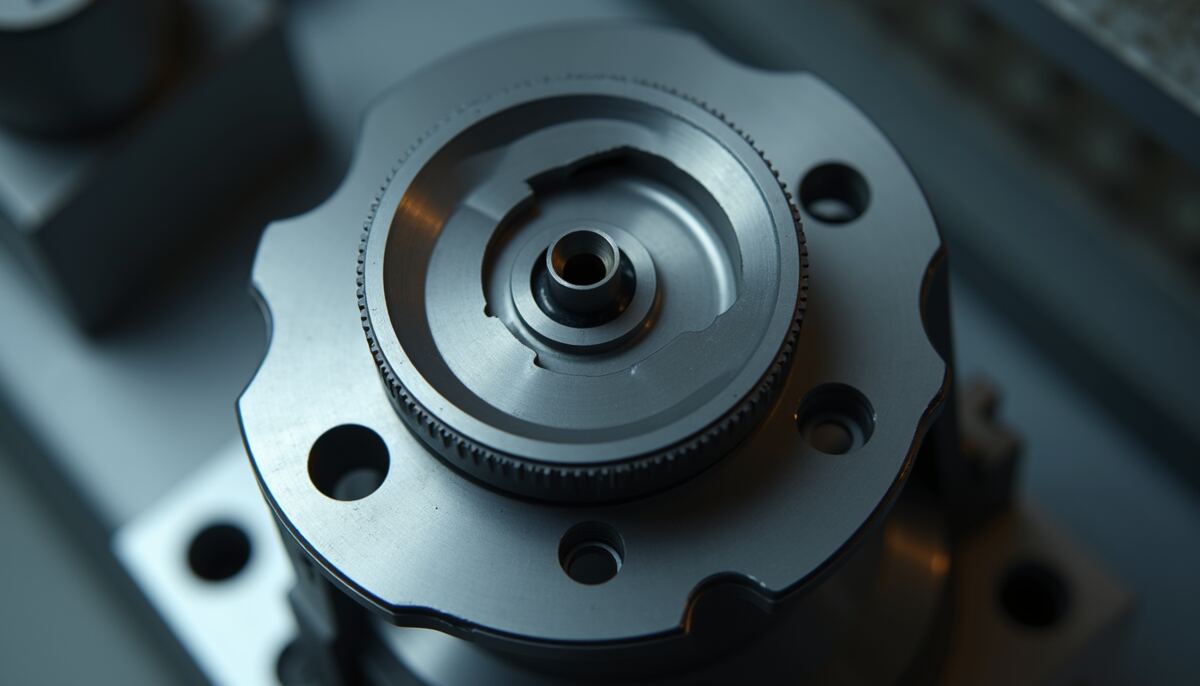
Precision machined metal component showcasing intricate details
Future Trends in Precision Machining
As the demand for complex components increases, the precision machining industry continues to evolve. A few trends shaping the future of this field include:
Digitization and Industry 4.0: The rise of Industry 4.0 is revolutionizing machining operations. Data analytics and cloud computing enable real-time monitoring of processes, allowing businesses to identify inefficiencies quickly.
Additive Manufacturing: The combination of traditional machining and 3D printing is gaining traction. These hybrid methods enable the creation of complex geometries that were previously impossible with conventional machining alone.
Sustainability Initiatives: Companies are increasingly focusing on sustainable practices. From selecting eco-friendly materials to implementing energy-efficient processes, there is a strong push towards green manufacturing.
Skilled Workforce Development: As technology advances, so does the need for skilled workers. Companies are investing in training programs to equip employees with the necessary skills to handle modern machining technologies.
Navigating Challenges in Precision Machining
While precision machining offers numerous advantages, challenges remain. Here are some common hurdles businesses face in optimizing their machining operations:
Supply Chain Issues: Material sourcing can be unpredictable, leading to delays in production. Building strong relationships with suppliers can help mitigate these risks.
Keeping Up with Technology: The rapid evolution of machining technology requires continuous investment and training. Companies must stay informed about the latest trends and tools to remain competitive.
Cost Management: While precision machining can reduce waste, the initial investment in high-quality machinery and training can be hefty. It's crucial for companies to balance costs with expected returns.
Quality Consistency: Ensuring consistent quality across all products can be challenging. Implementing quality control systems can help maintain standards throughout the production process.
With K+G Industrial Group as your supplier for precision metal parts, we can effectively meet the your evolving needs both today and into the future.